
Backflow and TMV testing, with the paperwork you need
Your water authority has sent a testing notice, or your auditor wants the hot water service records. You need someone who can test the valves, explain any faults and give you the paperwork.
At Free Flow Plumbing Solutions your call goes straight to Brandon Walsh, the licensed plumber who quotes the work and carries it out.
Backflow testing: what your notice is asking for
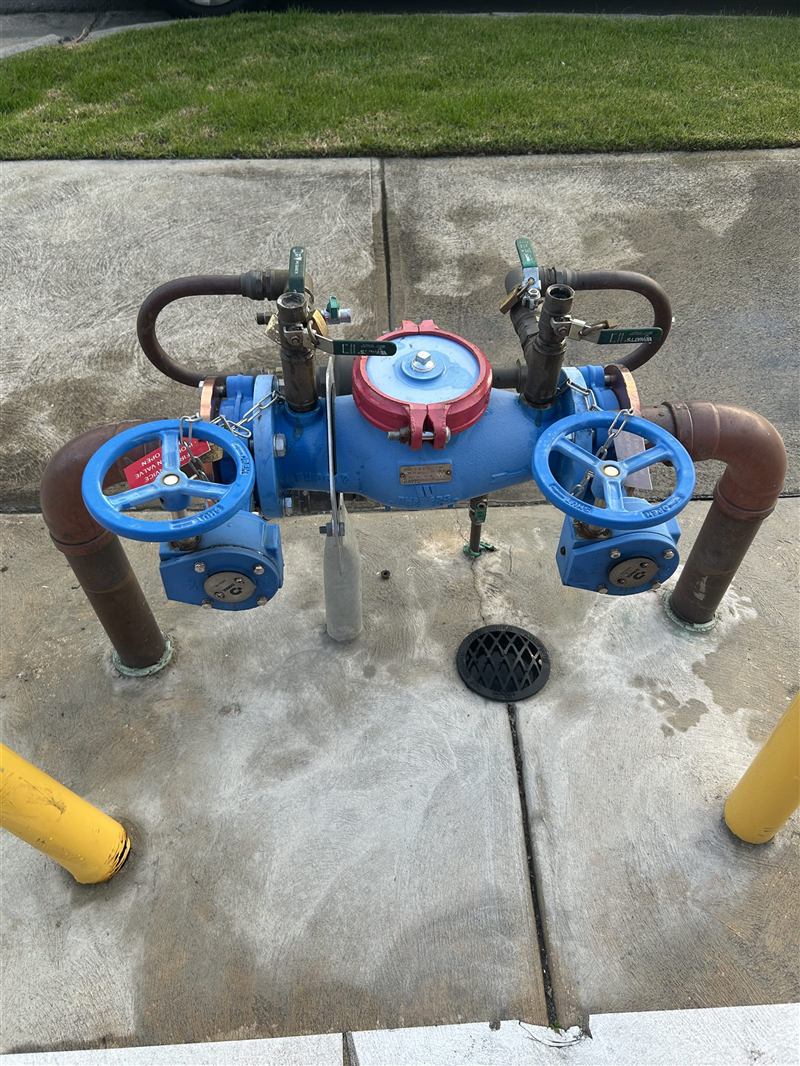
A backflow prevention device stops water flowing backwards from your property into the drinking water supply. A pressure change can otherwise draw contaminated water back through the pipes.
Your building may need one because of its fire service, irrigation, chemicals or commercial equipment connected to the water supply. The device protects against those risks.
Testable devices include reduced pressure zone assemblies, usually called RPZs, and double check valve assemblies. South East Water requires devices on medium and high hazard properties to be registered with it and tested at least every 12 months by a licensed plumber endorsed for backflow prevention. Yarra Valley Water, Greater Western Water and the Gippsland authorities set their own rules, so check the notice you were sent.
The property owner is responsible for arranging the annual test and lodging the result. You may organise it as the facility manager or the tenant, but the responsibility stays with the owner. See South East Water's Backflow and your business fact sheet for the owner's responsibilities, and its backflow prevention page for the testing rule.
What happens during a backflow test
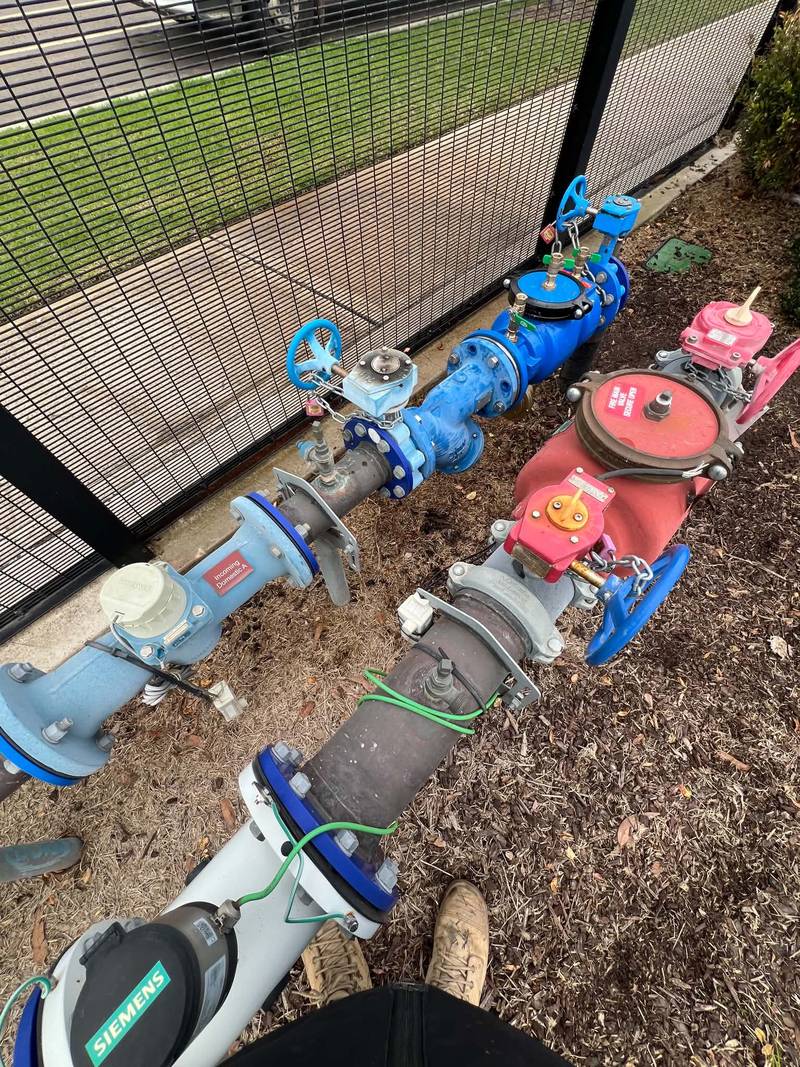
We identify the device and check its condition, access and isolation valves, then connect test equipment to measure whether the internal valves hold as they should. An RPZ test also checks the relief valve.
Water to the affected service has to be isolated while we test. We agree that interruption with you first, so tell us about kitchens, treatment rooms, occupied accommodation or fire services that depend on the supply.
Time on site depends on how many devices there are, how accessible they are and whether they pass. A routine test and a repair visit are different jobs. Give us the device details and we will estimate the testing time and the interruption before booking.
You get a completed test report naming the device, the date, the readings and the result. If it fails we explain the fault and the repair and retest needed, and the failure is recorded as a failure. Keep a copy in your building records. The property owner is responsible for making sure the result reaches your water authority, and deadlines for that differ between authorities. So we agree with you when we book who sends it in, rather than leaving it to chance.
TMV testing: the temperature and the safety function
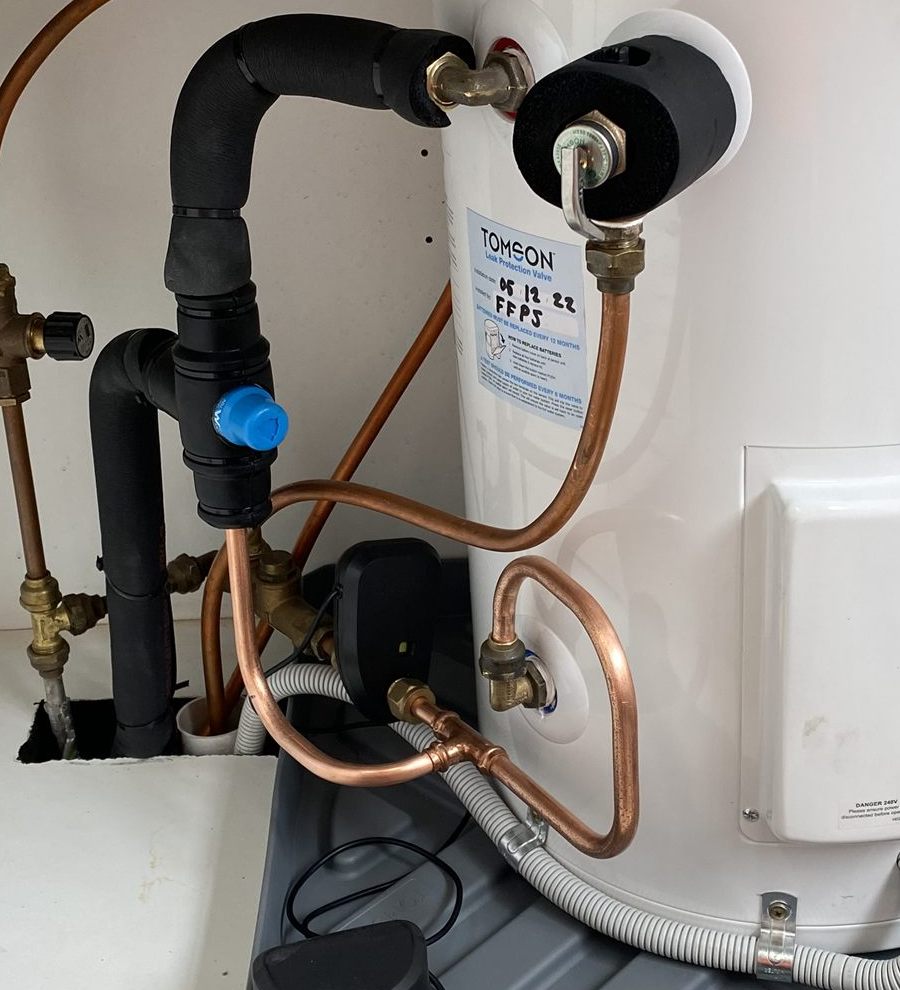
A thermostatic mixing valve, or TMV, blends hot and cold water to control the temperature delivered to taps and showers. It protects people from scalding, particularly anyone who cannot move away quickly or recognise that the water is too hot.
In Victoria, premises intended for children, older people or people with disabilities, such as early childhood centres, schools and nursing homes, have a maximum delivered hot water temperature of 45 degrees. That is the delivered temperature, not the storage temperature. The regulator sets this out in its hot water safety guidance.
We carry out annual servicing and testing to AS 4032.3: inspect the valve, service its components, check delivered temperatures, and test the safety shut-off response if the cold supply fails. We follow the instructions for the valve actually fitted at your site.
A tap feeling warm does not tell you whether that safety function still works.
We need access to the valve and to the outlets it serves, and those outlets will be out of use for part of the visit. You get a service and test record showing which valve was checked, the temperature readings, the results, the work done and anything still outstanding.
The five year TMV service matters too
Beyond the annual service, the dynamic seals get replaced on a longer cycle. The Australian Building Codes Board's warm water systems handbook puts that interval at no more than five years from commissioning, or shorter if the valve manufacturer says so, so the valve fitted at your site decides it.
That is extra work beyond the annual service, the parts and procedure depend on the valve model, and the valve is tested again afterwards. Have the previous service record ready if you can: last year's test date does not tell you when the internal parts were last replaced.
Brandon holds the licences to test and to certify
Free Flow Plumbing Solutions is Brandon Walsh, a sole trader based in Somerville, on the tools since 2012 and running his own business since 2018.
He holds Victorian Building and Plumbing Commission licence 112346 at licence level in Backflow Prevention, Thermostatic Mixing Valve and Water Supply, current to 13 May 2027. Licence level means he can carry out the work and issue the plumbing compliance certificate for it himself.
The test report and the plumbing compliance certificate are different documents. We will tell you which one your job needs.
The person who quotes your testing is the person who does it. The number on this site rings Brandon. Free Flow carries $20 million insurance for domestic and commercial work, and Brandon also holds Queensland licence QBCC 15552243.
What this means for your building
The devices fitted and what happens on site decide the work. Your building type is a starting point, not proof that every valve needs the same test.
- Childcare and early learning. Children's handwashing areas need controlled water temperatures. Have your TMV records ready alongside the centre's maintenance and audit paperwork.
- Schools. Valves may serve separate toilet blocks, accessible bathrooms and outbuildings. Tell us which areas can be reached during the school day.
- Aged care. Servicing has to work around resident bathrooms, assisted bathing and care routines. Include the five year component history with your annual records.
- Clinics and dental practices. Identify the treatment rooms and equipment that depend on water before we isolate anything. Backflow protection and temperature control do different jobs.
- Hospitals. Give us the plant access requirements and the water isolation procedure, so testing can be coordinated area by area.
- Gyms and aquatic centres. Communal showers and pool plant often have separate temperature controls and backflow devices. Tell us what has to stay open.
- Caravan parks. Amenities blocks, irrigation and individual site supplies make devices harder to trace. A site map helps.
- Cafes, restaurants and food premises. Kitchen equipment and chemical dispensers create backflow risk. Flag prep and wash-up times before we schedule an interruption.
- Factories and warehouses with a fire service. Identify the fire supply separately from the general supply, because isolating it has to be coordinated with your fire safety arrangements.
- Hotels and motels. One valve may serve several guest bathrooms. Give us access details and occupancy constraints when you book.
- Building owners and body corporate managers. Have the authority notice and any common property device records ready, and confirm who provides access and who receives the reports.
Mornington Peninsula, the south east and commercial Melbourne
We test across the Mornington Peninsula and Melbourne's south east, including Mornington, Frankston, Dandenong, Cranbourne and Berwick. Our base is Somerville. We also cover Gippsland, and commercial sites through metro Melbourne. Give us the site address when you ring so we can talk through the work and the access.
Have the notice or the device tag handy
When you ring, four things help us work out what needs testing:
- The device type, such as an RPZ, a double check valve or a TMV.
- Where it is on site, including locked cabinets, plant rooms or access restrictions.
- The current due date, if you have it.
- The site address.
If you do not know any of that, start with the tag on the device. It tells us what was last recorded. Read it out, or send a photo along with the water authority notice or the previous report. Missing paperwork does not stop you making the call.
Hydrants and hose reels on the same site
Brandon also holds the Victorian fire protection class restricted to hydrants and hose reels. If those need attention, mention them when you arrange your backflow or TMV work and we will sort out the scope and the access in one go.
Questions we get asked
Is an annual backflow test compulsory in Victoria?
South East Water requires the testable containment device on a medium or high hazard property to be registered with it and tested at least every 12 months by a licensed plumber endorsed for backflow prevention. The property owner is responsible for arranging it and for the result reaching the authority. Yarra Valley Water, Greater Western Water and the Gippsland authorities set their own rules, so check the notice you were sent. Devices protecting zones or individual fixtures inside the property are a separate question, so tell us what is fitted.
How often should a thermostatic mixing valve be serviced?
TMVs get annual servicing and testing to AS 4032.3. The Australian Building Codes Board's warm water systems handbook also lists replacing the dynamic seals at intervals of no more than five years from commissioning, or sooner if the valve manufacturer specifies a shorter interval. Keep both the annual test records and the component replacement history.
How long does backflow or TMV testing take?
It depends on the number and type of valves, the access and their condition. Backflow testing needs the affected supply isolated, and TMV testing takes the outlets it serves out of use for part of the visit. Give us the device details and we will estimate the visit and the interruption before booking.
What paperwork do I get after testing?
For backflow testing you get a completed device test report with the readings and the result. For TMV work you get a service and test record covering temperatures, safety checks and the work completed. Where the job needs a plumbing compliance certificate, Brandon issues it himself under his Victorian licence.
What happens if a valve fails?
We record the failure and explain the fault and the work needed. A repair has to be followed by a retest to establish that the device works correctly. If a TMV fails a safety check we explain which outlets are affected and what has to happen before they go back into use.
Can Brandon test both backflow devices and TMVs?
Yes. He holds Victorian BPC licence 112346 at licence level in Backflow Prevention, Thermostatic Mixing Valve and Water Supply. We cover the Mornington Peninsula, Melbourne's south east, Gippsland and commercial sites through metro Melbourne.
Call anyway. Two minutes on the phone with a plumber beats a wet ceiling. If it can wait, we'll tell you straight.